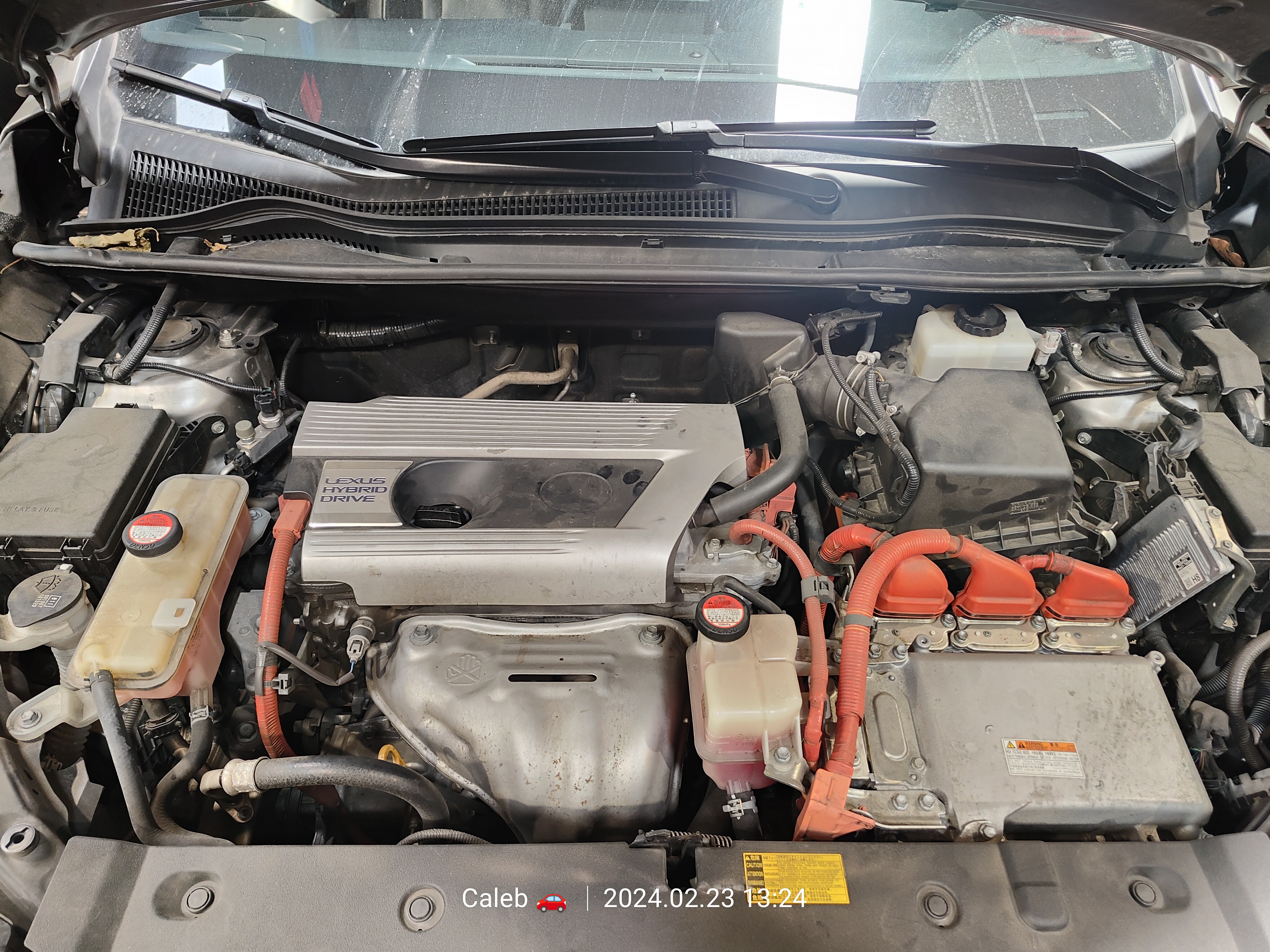
Modern Japanese vehicles carry an ECU (Engine Control Unit) that monitors dozens of sensors simultaneously. While stored fault codes tell you something went wrong, live data shows you what is happening right now — and that distinction is critical for accurate diagnosis.
This guide covers the most important OBD2 PIDs (Parameter IDs) for Japanese engines, what normal values look like, and how to interpret readings that fall outside expected ranges.
Essential PIDs to Monitor
Not all OBD2 software displays the same parameters. The following PIDs are universally supported across all OBD2-compliant vehicles and are the most diagnostically useful:
| PID | Parameter | Normal Range (warm engine) |
|---|---|---|
| 0x05 | Engine Coolant Temperature | 85–105°C |
| 0x0C | Engine RPM | 700–900 rpm (idle) |
| 0x0D | Vehicle Speed | 0 km/h at standstill |
| 0x0F | Intake Air Temperature | Ambient +5–15°C |
| 0x10 | MAF Air Flow Rate | 2–7 g/s at idle |
| 0x11 | Throttle Position | 10–20% at idle |
| 0x14 | O2 Sensor Bank 1, Sensor 1 | Switching 0.1–0.9V |
| 0x06 | Short-Term Fuel Trim (STFT) | -5% to +5% |
| 0x07 | Long-Term Fuel Trim (LTFT) | -10% to +10% |
Fuel Trim Analysis
Fuel trim values are among the most informative live data parameters. The ECU constantly adjusts fuel delivery based on oxygen sensor feedback, and the trim values show how much correction it is applying.
Positive Fuel Trims
When both STFT and LTFT are consistently positive (above +10%), the ECU is adding fuel to compensate for a lean condition. On Japanese engines, the most common causes are:
- Vacuum leak at intake manifold gasket, throttle body or brake booster hose
- Contaminated or failed MAF sensor reading low
- Weak fuel pump or partially blocked fuel filter
- Leaking injector O-rings allowing air into the fuel rail
Negative Fuel Trims
Consistently negative trims indicate the ECU is reducing fuel — a rich condition. Common causes include:
- Leaking fuel injector (dripping when closed)
- High fuel pressure from a faulty fuel pressure regulator
- Coolant temperature sensor reading cold (causing over-fuelling)
- EVAP purge valve stuck open, drawing excess fuel vapour
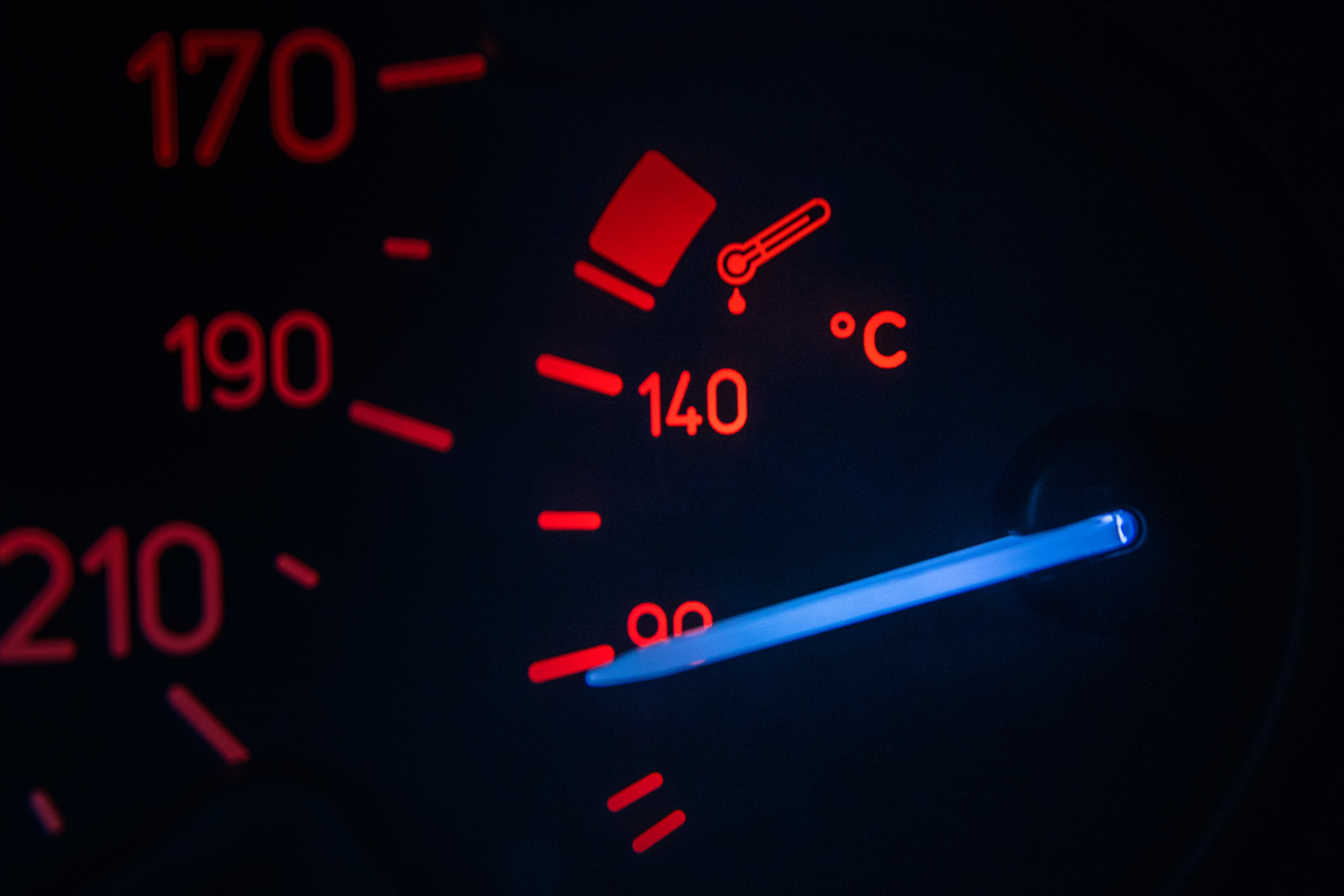
Dashboard gauges reflect only a fraction of the data available through OBD2 live readings
Oxygen Sensor Behaviour
The upstream (pre-catalyst) oxygen sensor should switch rapidly between approximately 0.1V and 0.9V when the engine is at operating temperature and running in closed loop. A sensor that switches slowly or stays fixed at one voltage is degraded and will cause fuel trim issues.
The downstream (post-catalyst) sensor should show a relatively stable voltage around 0.6–0.7V if the catalyst is functioning correctly. If it mirrors the upstream sensor's switching pattern, the catalyst has lost its efficiency — which typically triggers a P0420 code.
MAF Sensor Values
Mass airflow sensor readings at idle should be proportional to engine displacement. As a rough guide:
| Engine Size | Expected MAF at Idle |
|---|---|
| 1.0–1.3L (Honda Jazz, Toyota Yaris) | 1.5–3.5 g/s |
| 1.5–1.8L (Honda Civic, Toyota Corolla) | 2.5–5.0 g/s |
| 2.0–2.4L (Honda Accord, Toyota Camry) | 4.0–7.5 g/s |
| 2.5–3.5L (Subaru Outback, Nissan Murano) | 6.0–12.0 g/s |
Values significantly below these ranges with no vacuum leaks present suggest a dirty or failing MAF sensor. Cleaning with dedicated MAF sensor cleaner spray is often effective before replacement.
Coolant Temperature and Warm-Up Behaviour
A properly functioning thermostat on a Japanese engine should bring coolant temperature to operating range (85–95°C) within 5–8 minutes of cold start. If the temperature climbs very slowly or stabilises below 80°C, the thermostat is likely stuck open — a common issue on high-mileage Toyota and Honda engines.
Conversely, if temperature climbs above 105°C under normal driving conditions, investigate the cooling system: check the radiator cap pressure rating, coolant level, fan operation and water pump flow.
Toyota-Specific Enhanced PIDs
Toyota ECUs support a range of enhanced PIDs beyond the standard OBD2 set. These are accessible with compatible software (Toyota Techstream, Car Scanner with Toyota enhanced profile) and include:
- VVT-i target and actual camshaft angle
- Injector pulse width per cylinder
- Knock retard per cylinder
- Hybrid battery state of charge (Prius, C-HR hybrid)
- Electric motor temperature and torque output
For a full list of standard OBD2 PIDs and their byte encoding, refer to the OBD-II PIDs reference on Wikipedia. Manufacturer-specific PIDs are documented in factory service manuals.