Toyota was among the first Japanese manufacturers to adopt OBD2 broadly, with most models sold in Japan from 1996 onwards supporting the standard. Toyota's implementation is thorough — the ECU monitors a wide range of systems and stores detailed freeze frame data alongside fault codes.
Toyota OBD2 Port Location
On all Toyota models from 1996 onwards, the OBD2 port (officially called the DLC3 — Data Link Connector 3) is located under the dashboard on the driver's side. On most Corolla, Camry and Land Cruiser models it sits to the left of the steering column, near the fuse box. On Prius models it is typically behind a small panel below the steering wheel.
Toyota-Specific Fault Codes
Beyond standard P0xxx codes, Toyota uses P1xxx manufacturer-specific codes for systems like VVT-i, VVTL-i and hybrid battery management. Common Toyota-specific codes include:
| Code | Description | Common Models |
|---|---|---|
| P1349 | VVT-i System Malfunction (Bank 1) | Corolla, Camry, RAV4 |
| P1354 | Variable Valve Timing (Bank 2) | V6 Camry, Highlander |
| P0010 | Camshaft Position Actuator Circuit | All VVT-i models |
| P0016 | Crankshaft/Camshaft Correlation | All VVT-i models |
| P3000 | HV Battery Malfunction | Prius, C-HR Hybrid |
| P0A80 | Replace Hybrid Battery Pack | Prius (high mileage) |
| P0420 | Catalyst Efficiency Low (Bank 1) | Corolla, Camry |
| P0171 | System Too Lean (Bank 1) | Corolla 1ZZ-FE, Camry |
P1349 — VVT-i Malfunction
This is one of the most common Toyota-specific codes. The VVT-i (Variable Valve Timing with intelligence) system uses oil pressure to advance or retard the intake camshaft. P1349 typically appears when the oil control valve (OCV) is blocked with sludge or when engine oil is overdue for a change. Before replacing the OCV, always perform an oil change with the correct viscosity oil (typically 5W-30 or 0W-20 depending on model year).
Toyota Techstream — Factory Diagnostic Software
Toyota Techstream is the official dealer diagnostic application. It runs on Windows and connects via a Mini-VCI interface cable to the DLC3 port. Techstream provides capabilities not available through generic OBD2 tools:
- Full access to all ECUs including ABS, airbag, body control and climate
- Active tests — commanding actuators to verify operation
- ECU programming and calibration
- Hybrid system diagnostics including battery cell balance
- Immobiliser key registration

OBD2 diagnostic connection — the DLC3 port is the standard interface on all Toyota models
Common Toyota Models and Known Issues
Toyota Corolla (E120, E150, E180)
The 1ZZ-FE and 2ZR-FE engines in these generations are prone to oil consumption issues that can trigger misfire codes (P0301–P0304) and O2 sensor codes. Check oil level before diagnosing misfires. The 2ZR-FE also has a known timing chain tensioner issue on early production units.
Toyota Camry (XV40, XV50)
The 2AZ-FE 2.4L engine is known for carbon buildup on intake valves (direct injection variant) and occasional oil consumption. P0171 lean codes on this engine often trace to a cracked intake manifold gasket at the rear of the engine, which is difficult to see without removing the intake plenum.
Toyota Land Cruiser (J100, J200)
The 1HD-FTE diesel engine uses a proprietary diagnostic protocol that requires Techstream or a compatible tool for full access. The 4.7L 2UZ-FE petrol engine is generally reliable but can develop P0430 codes from deteriorated downstream O2 sensors on high-mileage vehicles.
Toyota Prius (NHW20, ZVW30)
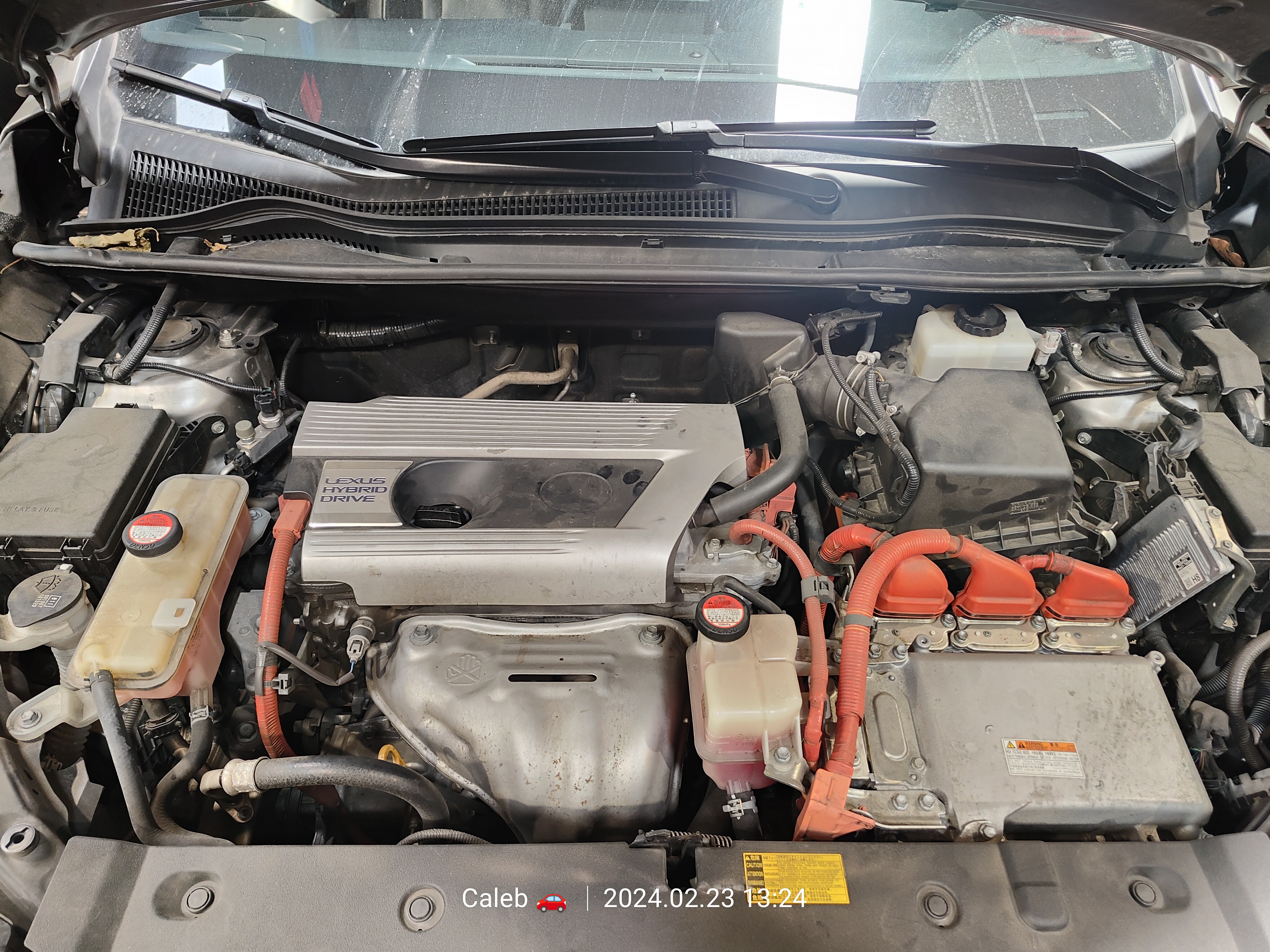
Hybrid-specific codes require Techstream or a scanner with Toyota hybrid support. The P3000 series codes relate to the high-voltage battery pack. Individual cell voltage imbalance is a common issue on NHW20 Prius models over 150,000 km and can often be resolved by battery reconditioning before full replacement.
Toyota's official technical documentation is available through the Toyota TechInfo portal for registered users. The Toyota Wikipedia article provides useful background on model generations.